SZ Strengthens Chefredaktion: Deininger to Drive Strategic Evolution
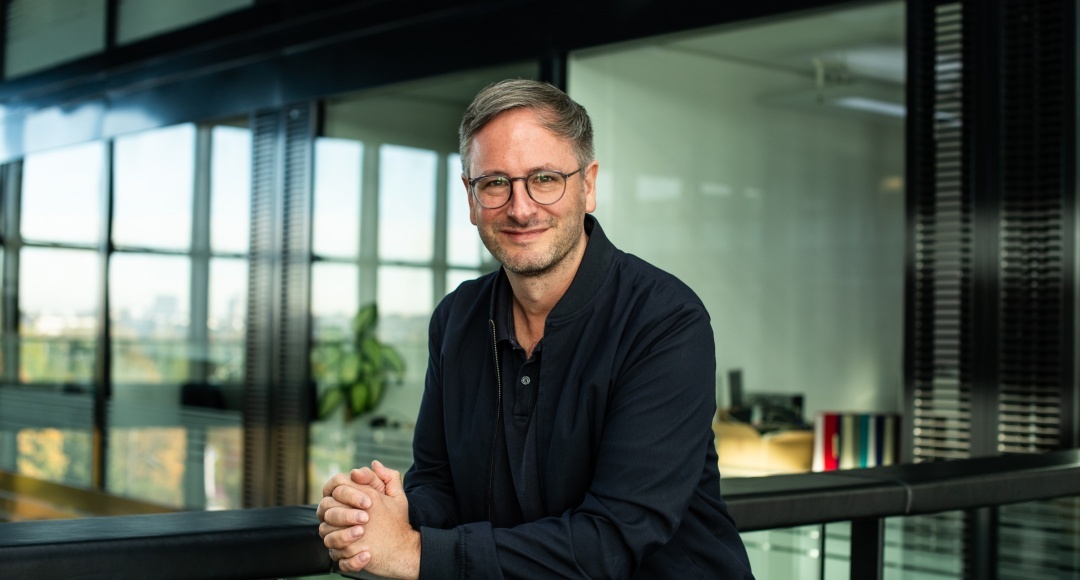
In a significant move poised to reshape its editorial future, the Süddeutsche Zeitung (SZ), one of Germany's most respected and influential newspapers, has announced a strategic expansion of its Chefredaktion (editorial leadership). This pivotal development sees Roman Deininger, a long-serving and highly regarded journalist within the organization, stepping into the role of Deputy Editor-in-Chief. This appointment, effective April 1, 2026, marks a crucial step in the SZ's ongoing efforts to ensure journalistic excellence, embrace generational change, and strategically navigate the complexities of the modern media landscape.
The decision to bolster the editorial board reflects a forward-thinking approach by the Munich-based publication. By integrating seasoned talent like Deininger into its top ranks, the SZ aims to broaden its leadership base and distribute strategic responsibilities across a wider, highly capable team. This initiative underscores a commitment to robust, agile leadership essential for sustained relevance and quality in an era of rapid digital transformation and evolving reader expectations. It's a clear signal of the Süddeutsche Zeitung's ambition to not only maintain its esteemed position but also to innovate and lead.
A New Era for Süddeutsche Zeitung's Editorial Leadership: Chefredaktion Ausbau Süddeutsche
The planned expansion of the editorial leadership, or chefredaktion ausbau süddeutsche, at the Süddeutsche Zeitung is more than just a personnel change; it's a strategic realignment. Roman Deininger will join the established leadership team, working alongside Editor-in-Chief Judith Wittwer and Ulrich Schäfer, who has served as Deputy Editor-in-Chief since 2020. This structure creates a formidable trio at the helm, pooling diverse strengths and perspectives to steer the newspaper's editorial direction.
The appointment of a second deputy editor signifies a proactive approach to managing the multifaceted demands of a major national newspaper. In an environment where news cycles are instantaneous and content platforms proliferate, leadership must be dynamic, responsive, and deeply engaged with both journalistic craft and strategic foresight. Distributing this responsibility across multiple experienced shoulders ensures greater resilience, fosters creative synergy, and allows for more focused attention on critical areas such as digital innovation, investigative journalism, and reader engagement.
This strategic decision is also deeply rooted in the concept of generational change, a recurring theme in many established institutions striving for future relevance. By bringing in a leader from a younger cohort with a proven track record, the SZ is investing in continuity while simultaneously infusing its leadership with fresh perspectives. This ensures that the editorial compass remains firmly set on journalistic integrity, while also being highly attuned to the evolving tastes and consumption habits of a diverse readership. The formal approval of this appointment, as stipulated by the Süddeutsche Zeitung's editorial statutes, by the "Impressionist:innen" (likely an internal body representing editorial staff interests), underscores the organization's commitment to internal governance and collective decision-making.
For more detailed insights into this significant leadership expansion, read our in-depth analysis: Süddeutsche Zeitung Expands Editorial Leadership with Roman Deininger.
Roman Deininger: A Profile in Journalistic Excellence and Strategic Vision
Roman Deininger, born in 1978, brings a wealth of experience and a deep understanding of the Süddeutsche Zeitung's ethos to his new role. His journey within the organization spans an impressive 19 years, a testament to his dedication and consistent contribution to quality journalism. Starting with a rigorous Volontariat (journalistic traineeship) from 2007 to 2009, Deininger steadily climbed the ranks, demonstrating a profound grasp of both reporting and storytelling. Since 2021, he has served as a Chefreporter, a prestigious title typically reserved for senior journalists known for their extensive expertise, investigative prowess, and ability to craft compelling narratives on complex subjects.
Deininger's academic background further illuminates his suitability for a strategic leadership position. He pursued an interdisciplinary education, studying Political Science and Theater Studies in prominent academic centers across Munich, Vienna, and New Orleans. This diverse intellectual foundation equipped him with a nuanced understanding of societal dynamics, cultural expressions, and political processes. His doctoral research, focusing on the intricate relationship between politics and religion in the United States, speaks volumes about his analytical depth and his capacity to deconstruct critical global issues. Such an academic grounding, combined with nearly two decades of practical journalistic experience, positions him uniquely to guide the Süddeutsche Zeitung's content direction and strategic evolution in an increasingly complex world.
His tenure as Chefreporter would have involved identifying key trends, pursuing significant stories, and perhaps mentoring younger journalists – experiences that are invaluable for someone stepping into a broader leadership role. This extensive background ensures that Deininger is not just an administrator, but a journalist's journalist, capable of understanding the challenges and opportunities faced by the newsroom from the ground up. The combination of his intellectual curiosity, investigative rigor, and deep institutional knowledge makes him an ideal candidate to shape the future narrative and strategic growth of the Süddeutsche Zeitung.
Strategic Imperatives: Driving Content, Innovation, and Reader Trust
The decision to implement a significant chefredaktion ausbau süddeutsche is intrinsically linked to several critical strategic imperatives facing modern media organizations. In an age dominated by digital platforms, social media, and a constant barrage of information, traditional newspapers like the Süddeutsche Zeitung must continually adapt to remain relevant, authoritative, and economically viable. Deininger's central role in "inhaltliche Ausrichtung und strategische Weiterentwicklung der Redaktion" (content direction and strategic development of the newsroom) is therefore paramount.
This mandate encompasses several key areas:
- Digital Transformation Acceleration: While the SZ has already made strides in its digital offerings, strategic development means pushing further into multimedia content, enhancing user experience on digital platforms, and exploring new formats for engaging younger audiences.
- Maintaining Journalistic Integrity in a Post-Truth Era: With the rise of misinformation and disinformation, the role of trusted, evidence-based journalism is more critical than ever. Strategic leadership must safeguard editorial independence and reinforce the newspaper's commitment to factual reporting and insightful analysis.
- Innovation in Storytelling: Beyond traditional text, the future of journalism lies in innovative storytelling approaches – be it through data journalism, interactive graphics, podcasts, video, or long-form investigative projects that leverage digital capabilities.
- Audience Engagement and Community Building: Understanding reader needs, fostering direct engagement, and building a loyal community around the brand are vital for long-term sustainability. This includes developing personalized content experiences and fostering constructive dialogue.
- Talent Development and Retention: A strong editorial team requires continuous investment in training, mentorship, and creating an inspiring work environment. Deininger, with his own trajectory from trainee to deputy, is well-placed to champion this.
Broadening the leadership structure also serves as a critical measure for succession planning. In an industry facing intense pressure, having a robust leadership pipeline is crucial for stability and continuity. By distributing editorial responsibility, the SZ ensures that diverse perspectives inform key decisions, fostering a more dynamic and inclusive editorial environment. This proactive approach to leadership development is a blueprint for how established media houses can future-proof their operations while upholding the highest standards of journalism.
The addition of Deininger is also a testament to the benefits of broadening editorial responsibility across a skilled team, as explored in more detail in our piece, Roman Deininger Joins SZ Leadership: Broadening Editorial Responsibility.
Navigating the Future: Tips for Media Organizations in a Dynamic Landscape
The Süddeutsche Zeitung's strategic move offers valuable lessons for other media organizations grappling with similar challenges:
- Embrace Generational Change Proactively: Don't wait for a crisis to foster new leadership. Integrate younger, experienced talent into key decision-making roles to bring fresh perspectives and digital native insights.
- Diversify Leadership and Expertise: A broader leadership team with varied backgrounds (e.g., editorial, digital strategy, audience development) can better navigate complex challenges and foster innovation. Distributing responsibility prevents burnout and encourages specialized focus.
- Prioritize Strategic Content Development: Beyond daily news, invest in long-term content strategies that align with organizational values, engage specific audience segments, and leverage new technologies. Quality, depth, and unique perspectives remain paramount.
- Foster a Culture of Continuous Innovation: Encourage experimentation with new formats, technologies, and storytelling methods. Create an environment where failure is seen as a learning opportunity, and creative solutions are rewarded.
- Balance Tradition with Digital Transformation: While innovation is crucial, don't lose sight of the core journalistic values and editorial integrity that define your brand. The challenge is to adapt without compromising foundational principles.
Conclusion
Roman Deininger's impending appointment as Deputy Editor-in-Chief represents a significant and well-considered strategic enhancement for the Süddeutsche Zeitung. This proactive chefredaktion ausbau süddeutsche not only strengthens the newspaper's leadership team but also signals a resolute commitment to fostering generational change, driving content innovation, and navigating the evolving media landscape with foresight and expertise. By bringing a seasoned journalist with a rich academic background and deep institutional knowledge into a pivotal strategic role, the SZ is laying robust groundwork for its future, ensuring its continued relevance and authority in German and international journalism for years to come. This move is a testament to the fact that even in an era of rapid disruption, investing in strong, diverse, and forward-thinking leadership remains the cornerstone of journalistic excellence.